Expert Kitchen Design Ideas to Transform Your Space
Modern Kitchen Layouts
Modern kitchen layouts focus on creating efficient work zones that blend style and function. Open concept kitchens, for example, not only connect the cooking area to living spaces but also encourage social interaction. The classic kitchen triangle—linking the sink, stove, and refrigerator—remains a guiding principle for ergonomic layouts that reduce walking distance during meal prep.
Think about incorporating a kitchen island. Islands serve as prep space, dining areas, and storage spots all in one. For small kitchen designs, a compact island or a movable cart can optimize space without crowding the room. Here’s the thing: the layout should suit how you cook and live, not just look good.
- Open concept kitchens can increase home value by up to 10% (figures vary by region).
- Ergonomic kitchen layouts reduce fatigue during cooking by minimizing steps.
- Kitchen islands improve storage capacity by 20-30% on average.
| Layout Type | Best For | Key Feature |
|---|---|---|
| Galley | Small kitchens | Two parallel counters |
| L-Shaped | Medium spaces | Corner work zone |
| U-Shaped | Large kitchens | Maximized perimeter counter space |
| Island | Open concept | Multi-use central unit |
Kitchen Storage Design
Storage solutions can make or break your kitchen’s usability. Using cabinetry wisely is key—pull-out shelves, deep drawers, and open shelving each serve different needs. A well-organized pantry helps keep food items accessible and reduces clutter on countertops.
Don’t overlook vertical space. Tall cabinets can store less-used items, while under-island cabinets offer hidden storage. Clever use of storage often means you can avoid expensive renovations by simply optimizing what you already have.
 Pull-out pantry shelves for easy access
- Corner lazy Susans to utilize awkward spaces
- Open shelving for frequently used items
- Overhead racks for pots and pans
| Storage Solution | Benefit | Best For |
|---|---|---|
| Pull-Out Drawers | Easy access | Cabinet interiors |
| Open Shelving | Visual openness | Display items |
| Lazy Susan | Corner utilization | Corner cabinets |
| Pantry Cabinets | Bulk storage | Food items |
Kitchen Countertop Materials
Choosing the right kitchen countertops depends on durability, maintenance, and style. Quartz tops are popular for their non-porous surface that resists stains and scratches. Granite offers natural beauty but needs occasional sealing to maintain protection. Solid surface materials provide seamless looks and easy repairs.
Budget kitchen renovation projects often favor laminate for its affordability and variety of designs, though it’s less durable than stone options. Think about how you use your countertops daily—heavy chopping or hot pots—and pick materials that meet those needs.
- Durable and low maintenance
- Wide color range
- Price varies widely
- Natural stone look
- Requires sealing
- Heat resistant
- Budget-friendly
- Less durable
- Easy installation
| Material | Durability | Maintenance | Cost Range* |
|---|---|---|---|
| Quartz | High | Low | $50-$150 per sq.ft. |
| Granite | High | Medium | $40-$100 per sq.ft. |
| Laminate | Low | Low | $10-$40 per sq.ft. |
| Solid Surface | Medium | Medium | $35-$85 per sq.ft. |
*Actual costs vary by region, materials, and contractor.

Kitchen Lighting Solutions
Good lighting is about layering different types. Ambient lighting sets overall brightness, while task lighting focuses on prep areas like countertops and sinks. Accent lighting highlights design features or adds warmth.
Installing LED under-cabinet lights can brighten work surfaces without glare. Pendant lights over kitchen islands add style and function. Don’t forget a ventilation hood with integrated lighting to illuminate the stove safely.
Planning professionals generally recommend combining multiple lighting types to balance ambiance and practicality in kitchens.
- Ambient: Ceiling fixtures, recessed lights
- Task: Under-cabinet LEDs, pendant lamps
- Accent: Cabinet interior lights, toe-kick lights
Kitchen Color Schemes
Color palette choices set the mood of your kitchen. Minimalist kitchen design often uses whites and grays for a clean, open feel. Rustic kitchen decor leans toward earthy tones like browns and warm reds, creating cozy vibes.
Bold colors on cabinetry or backsplash can energize the space. Neutral walls paired with colorful accents give flexibility to swap decor over time without a full remodel. The truth is, color can transform how you feel in your kitchen every day.
- Use light colors to open small spaces
- Choose durable finishes for high traffic
- Incorporate natural tones for warmth
- Overuse dark colors in small kitchens
- Ignore lighting impact on colors
- Mix too many bold shades
Kitchen Backsplash Options
A backsplash protects walls and adds personality. Popular options include ceramic tiles, glass, and natural stone. Tiles come in many patterns and colors, offering endless style possibilities.

Glass backsplashes create a sleek, reflective surface that’s easy to clean. For rustic kitchens, a brick or stone backsplash adds texture and charm. When selecting materials, consider maintenance and how well they coordinate with countertops and cabinetry.
- Ceramic tile: versatile, budget-friendly
- Glass: modern, easy to clean
- Natural stone: textured, rustic feel
- Metal: industrial look, durable
| Material | Style | Maintenance | Cost Range* |
|---|---|---|---|
| Ceramic Tile | Classic | Medium | $5-$15 per sq.ft. |
| Glass | Modern | Low | $20-$50 per sq.ft. |
| Natural Stone | Rustic | High | $15-$60 per sq.ft. |
| Metal | Industrial | Low | $20-$40 per sq.ft. |
*Actual costs vary by region, materials, and contractor.
Kitchen Flooring Types
Flooring sets the foundation for your kitchen’s design and durability. Hardwood floors bring warmth, but can be sensitive to moisture. Tile and vinyl offer water resistance and easy cleaning, fitting well in busy kitchens.
Sustainable kitchen design often favors bamboo or cork flooring, which are eco-friendly and comfortable underfoot. Whatever you choose, prioritize material durability to handle spills, foot traffic, and cleaning routines.
- Hardwood: classic, warm, needs care
- Tile: durable, water-resistant, cold
- Vinyl: affordable, versatile, cushioned
- Bamboo: sustainable, durable
- Cork: soft, eco-friendly, needs sealing
Smart Kitchen Technology
Smart home devices are changing how we cook and manage kitchens. From refrigerators that track groceries to voice-controlled faucets, technology adds convenience. Lighting fixtures and appliances can be automated or controlled remotely.
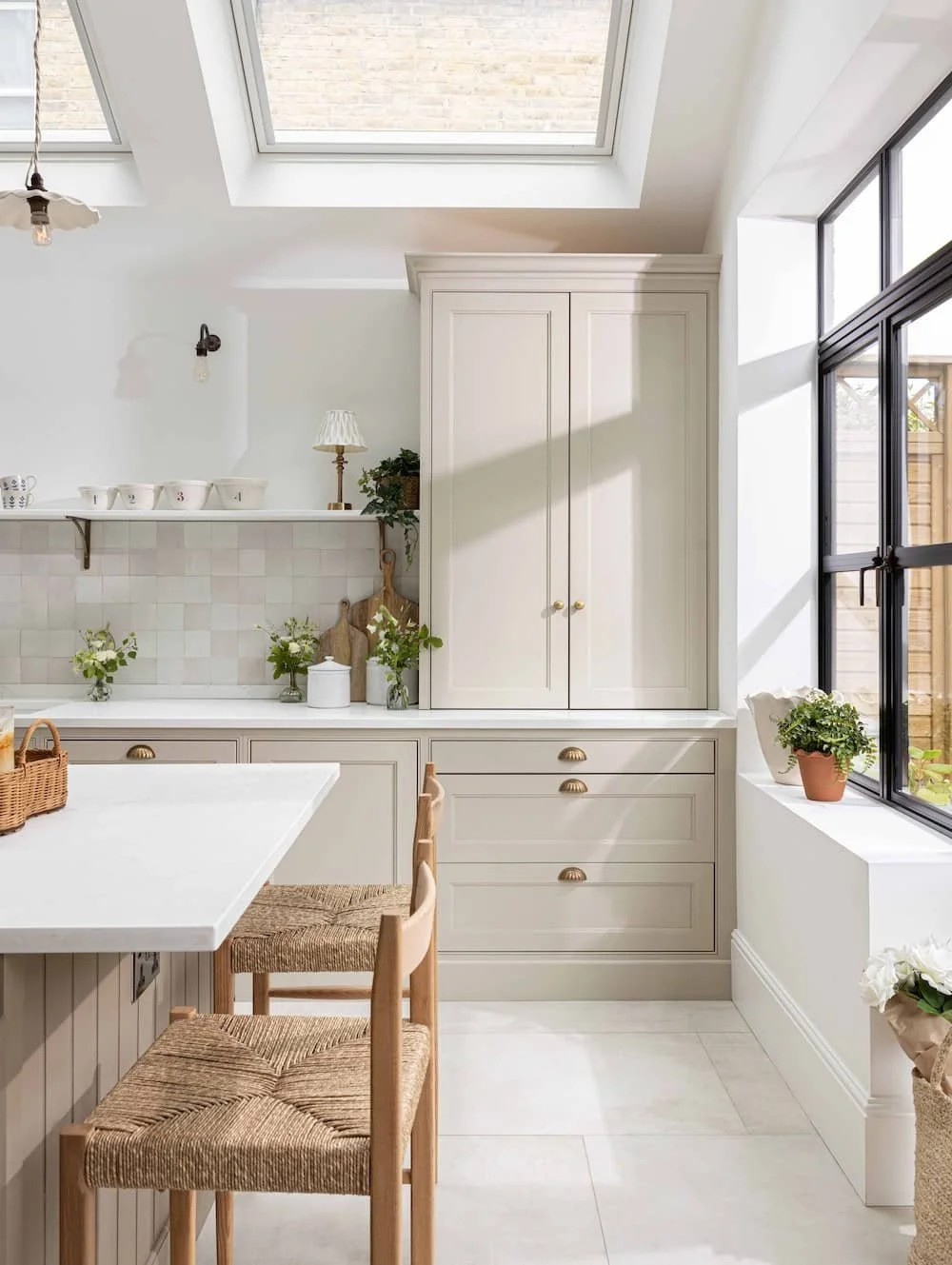
Integrating smart technology supports energy savings and efficient workflows. However, compatibility and ease of use should guide your choices. Don’t get overwhelmed—start small by upgrading a few key appliances or lighting.
Kitchen Ventilation Systems
Proper ventilation removes cooking odors, smoke, and humidity. Ventilation hoods above stoves are common and come in ducted and ductless types. Ducted hoods vent air outside, which is generally more effective.
Good ventilation improves indoor air quality and protects cabinets and walls from grease buildup. When planning a kitchen remodel, consider quiet operation and vent size for optimal performance.
- Ducted hoods: efficient, require external vent
- Ductless hoods: easier install, less effective
- Range hoods with lighting enhance visibility
- Regular filter cleaning maintains efficiency
Ergonomic Kitchen Layouts
Ergonomic kitchen layouts aim to reduce strain and increase efficiency. The kitchen triangle is the base, but modern designs also focus on dedicated work zones for prep, cooking, and cleaning. Proper counter heights and reachable storage improve comfort.
Think about how you move while cooking. Minimizing steps and ensuring key items like utensils and appliances are within easy reach can save time and effort. Ergonomics isn’t just about comfort—it’s about making your kitchen a joy to use.

Budget Kitchen Renovation
Not every kitchen remodel needs to cost a fortune. Simple updates like repainting cabinetry, changing cabinet hardware, and adding a new backsplash can refresh your space. Prioritize upgrades that improve function, like better lighting or additional storage.
Consider open shelving to replace upper cabinets for an airy feel without major expense. DIY projects can also cut costs but be realistic about your skills to avoid costly mistakes.
- Repaint or refinish cabinets
- Swap out old hardware
- Add peel-and-stick backsplash tiles
- Install energy-efficient LED lighting
- Use open shelving to increase openness
Luxury Kitchen Features
Luxury kitchens often include high-end appliances, custom cabinetry, and premium countertops like marble. Statement lighting fixtures and smart technology add both style and convenience. Walk-in pantries and wine fridges are also sought-after features.
These features elevate your kitchen experience but expect a higher investment. That said, luxury kitchens can boost property value substantially, especially when designed with timeless elegance.
- Feature — Benefit — Typical Cost Range*
- Custom Cabinetry — Tailored storage — $15,000-$50,000+
- Marble Countertops — Elegant surface — $75-$200 per sq.ft.
- Smart Appliances — Convenience & efficiency — $2,000-$10,000 each
- Walk-in Pantry — Ample food storage — $5,000-$15,000+
*Actual costs vary by region, materials, and contractor.
- Increased home value
- Improved cooking experience
- Custom style expression
- Higher upfront costs
- Longer renovation timelines
- Maintenance needs
Frequently Asked Questions
What are the best kitchen layouts for small spaces?
For small kitchens, layouts like the galley, L-shaped, and single-wall designs optimize space well. These layouts focus on efficient work zones and maximize storage without crowding the area.
How can I improve kitchen storage design?
Incorporate smart storage solutions such as pull-out shelves, open shelving, and a well-organized pantry. Using vertical space and modular cabinetry can also help keep your kitchen clutter-free.
Which kitchen countertop materials are most durable?
Materials like quartz, granite, and solid surface countertops offer excellent durability and low maintenance. Each has unique aesthetics and resistance to scratches and stains, but costs and availability vary.
What lighting solutions work best in kitchens?
A combination of ambient, task, and accent lighting creates a functional and inviting kitchen. Under-cabinet lighting, pendant lights over islands, and recessed ceiling fixtures are popular choices.
How does ergonomic kitchen layout benefit cooking?
Ergonomic layouts, focusing on the kitchen triangle—sink, stove, and refrigerator—reduce unnecessary movement. This setup makes cooking more comfortable and efficient by optimizing work zones.
What are some sustainable kitchen design tips?
Use energy-efficient appliances, eco-friendly materials, and sustainable flooring options like bamboo or reclaimed wood. Maximizing natural light and proper ventilation also improve environmental impact.
Are smart home devices useful in kitchens?
Absolutely. Smart refrigerators, voice-activated faucets, and intelligent lighting systems add convenience and efficiency. These devices help save energy and simplify meal preparation.
What budget-friendly kitchen remodeling tips exist?
Focus on repainting cabinetry, updating hardware, and installing a fresh backsplash. Simple lighting upgrades and adding a kitchen island on wheels can refresh your space without breaking the bank.
Which kitchen cabinet styles are trending?
Minimalist flat-panel cabinets, shaker styles, and open shelving are popular. Combining rustic and modern elements creates a timeless look that suits various kitchen themes.
What are luxury kitchen features to consider?
High-end appliances, custom cabinetry, marble countertops, and statement lighting fixtures define luxury kitchens. Adding a built-in wine fridge or smart ventilation systems can elevate your space further.
For more stunning kitchen ideas, check out 75 Kitchen Ideas You’ll Love – August, 2026.

Scanzin
Scanzin is a digital planner and template designer dedicated to helping people reclaim their time. With a focus on practical layout design, Scanzin creates printable calendar templates that simplify daily scheduling and long-term planning.


